

Tracy home prices tell only part of the story. The number of available homes, their condition, time on market, and the competition for a particular price range all shape the leverage a buyer may have. Learning how these pieces work together can help you make a more deliberate offer rather than reacting to a headline or a single listing.
Read the Market Beyond the Median Price
A median sale price is useful because it offers a quick snapshot of what has been happening across many transactions. It is not, however, a price tag for every home in Tracy. A median can move because more homes sold in one price bracket, because the mix of homes changed, or because buyers responded differently to updated properties, larger lots, or specific locations. The best way to use it is as context for a more detailed comparison—not as a substitute for one.
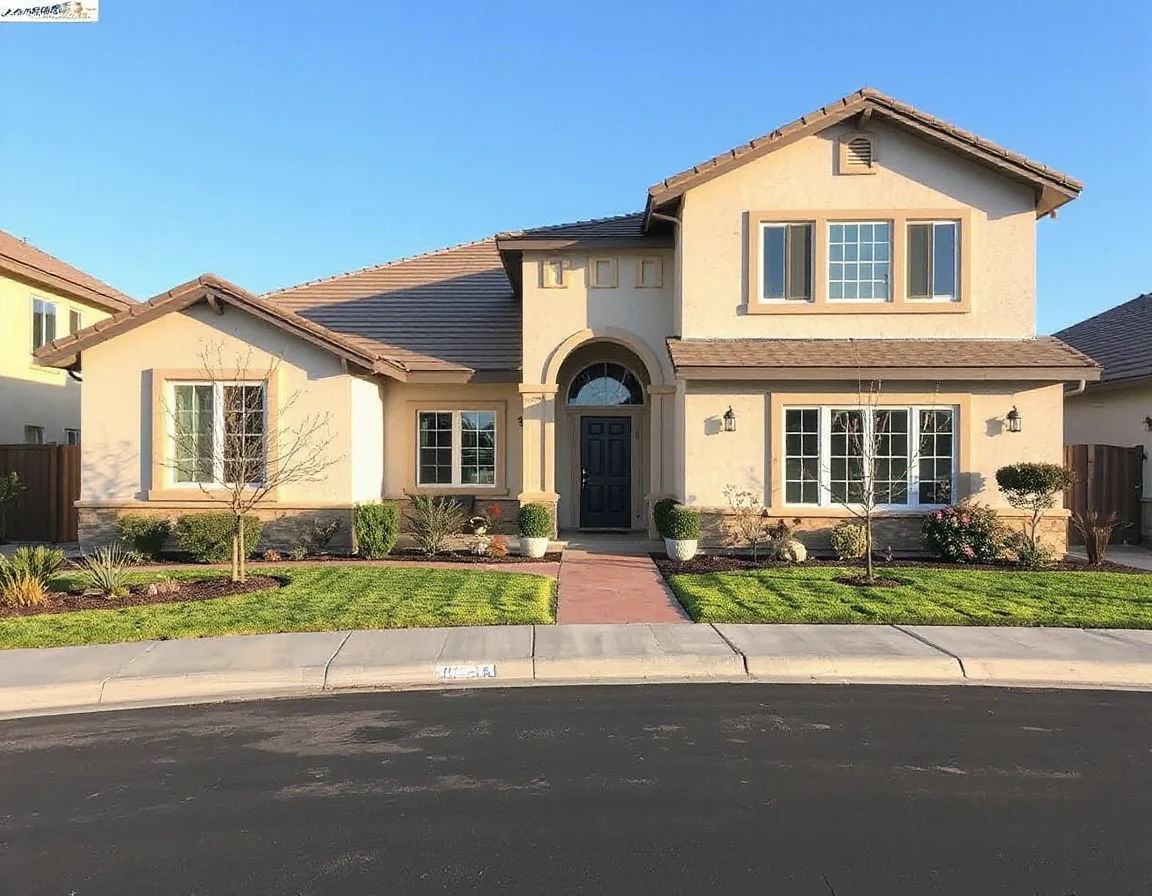
For a specific property, the more meaningful question is: what have comparable homes actually done? Recent sales reveal where buyers have committed, while pending and active listings show the choices currently competing for attention. A home listed at a compelling price but needing major updates may not be a clean comparison for a renovated home with a similar bedroom count. Square footage, lot configuration, condition, improvements, HOA costs when applicable, and the date of each sale can all matter.
Price-per-square-foot can add another useful layer, especially when comparing homes of similar age, design, and condition. Still, it should be treated carefully. Larger homes can show a lower price per square foot, and features such as a remodeled kitchen, additional living area, outdoor improvements, or a flexible workspace can shift a buyer’s perception of value. The goal is not to find a single magic number; it is to understand the range supported by current evidence.
A well-priced listing can attract strong activity quickly, while an overpriced listing may create room for negotiation later. The listing’s position relative to recent comparable sales is often more informative than its original asking price.
It also helps to separate the broader Tracy market from the micro-market you are considering. Conditions can vary by home type, price point, and inventory level. One segment may have several similar options available, while another may have limited choices. Buyers who review the active competition before writing an offer can better judge whether a property is likely to invite multiple offers or whether its history supports a more measured approach.
Inventory Is the Practical Measure of Choice
Inventory simply means the number of homes available for purchase at a given time, but its impact is easy to feel. When there are many similar homes on the market, buyers can compare condition, layout, location, and asking price with more confidence. When choices are limited, a desirable home may receive attention quickly because there are fewer alternatives to consider. Neither environment is automatically good or bad; each calls for a different strategy.
A useful companion measure is the pace of sales. If homes are entering the market faster than they are going under contract, buyers may have more time to evaluate options. If available homes are being absorbed quickly, waiting can carry a different cost. Looking at new listings, pending sales, price reductions, and days on market together gives a more complete picture than inventory alone.

Days on market can be especially revealing, provided it is read with care. A property that has been available for several weeks is not necessarily a bargain, and a newly listed home is not necessarily worth any price. A longer marketing period may reflect a price that has not aligned with buyer expectations, deferred maintenance, a limited pool of comparable purchasers, or timing. Reviewing the listing history, disclosures, improvements, and competing homes can turn that number into actionable information.
Seasonality can influence the flow of listings as well. The number of homes offered for sale may change throughout the year, and buyer activity can shift with it. Rather than trying to perfectly time a market, focus on your own readiness: financing, preferred terms, decision timeline, and the type of property you want to purchase. Being organized makes it easier to respond when a suitable home appears, regardless of the season.
Buyer leverage is rarely an all-or-nothing condition. It can be stronger on one listing because of its price history or competition, even when another nearby home draws immediate interest.
What Buyer Leverage Can Look Like in an Offer
Leverage is the ability to make a request that a seller is reasonably likely to consider. It can appear in several forms: a price below asking, a request for credits toward eligible closing costs, a repair request following inspections, a preferred closing date, or terms designed to reduce uncertainty for the seller. The right approach depends on the property, the number of competing buyers, and the seller’s priorities.
Price is only one part of the offer. A clean, well-documented financing plan, realistic contingency periods, and a clear closing timeline can be valuable to a seller. At the same time, buyers should keep appropriate protections in place and understand the commitments they are making. An offer that appears attractive on paper but creates unnecessary risk is not automatically a strong offer for the buyer.
Inspection findings are another moment where leverage becomes specific. Properties may have routine maintenance items, material repairs, or conditions that require further review. Rather than assuming every issue should lead to a concession, prioritize matters that affect function, safety, expected ownership costs, or lender and insurance requirements. A thoughtful request supported by the inspection report is more constructive than a long list of minor preferences.
Appraisal also deserves attention in a changing market. When a contract price is supported by strong comparable sales, the appraisal process may be more straightforward. When the price moves ahead of recent evidence, buyers and sellers may need to discuss options if the appraisal comes in below the agreed price. Understanding this possibility before submitting an offer helps prevent rushed decisions later.
Build a Decision Process You Can Repeat
The most confident buyers tend to rely on a repeatable process. Start by defining a comfortable monthly payment and overall purchase budget, then separate essential property features from preferences. Review comparable sales before touring or offering, study the active listings that compete with your choice, and ask how long each has been available. This creates a disciplined framework that can be used for every home rather than letting one emotional moment set the terms.
When you find a property worth pursuing, consider the full picture: condition, disclosure materials, estimated ownership costs, commuting routes, nearby amenities, and the likely cost of planned improvements. Tracy offers a range of residential settings and access points throughout the Central Valley and Bay Area region, so location research should be based on your own daily routines and priorities. A purchase decision becomes clearer when the home works both financially and practically.
Market conditions can change, but careful preparation remains useful in every cycle. Follow current listing activity, compare rather than assume, and make decisions from verified property information. Whether inventory is tight or selection is growing, a well-supported offer gives you a stronger foundation for moving forward.