

Pricing a Manteca home is more than choosing a number that feels right—it is a launch strategy built around current competition, recent sales, condition, and buyer behavior. A well-supported price can create early attention, strengthen negotiation leverage, and help sellers move forward with confidence.
Start With the Market, Not a Wish List
When it is time to sell, the price on the listing is often the first message a home sends to the market. It tells prospective buyers how the property compares with other available homes, whether the seller is positioned to negotiate, and how urgently they should schedule a showing. In Manteca, where buyers may compare properties across neighborhoods as well as nearby Tracy, Lathrop, and the wider Central Valley, that first impression matters.
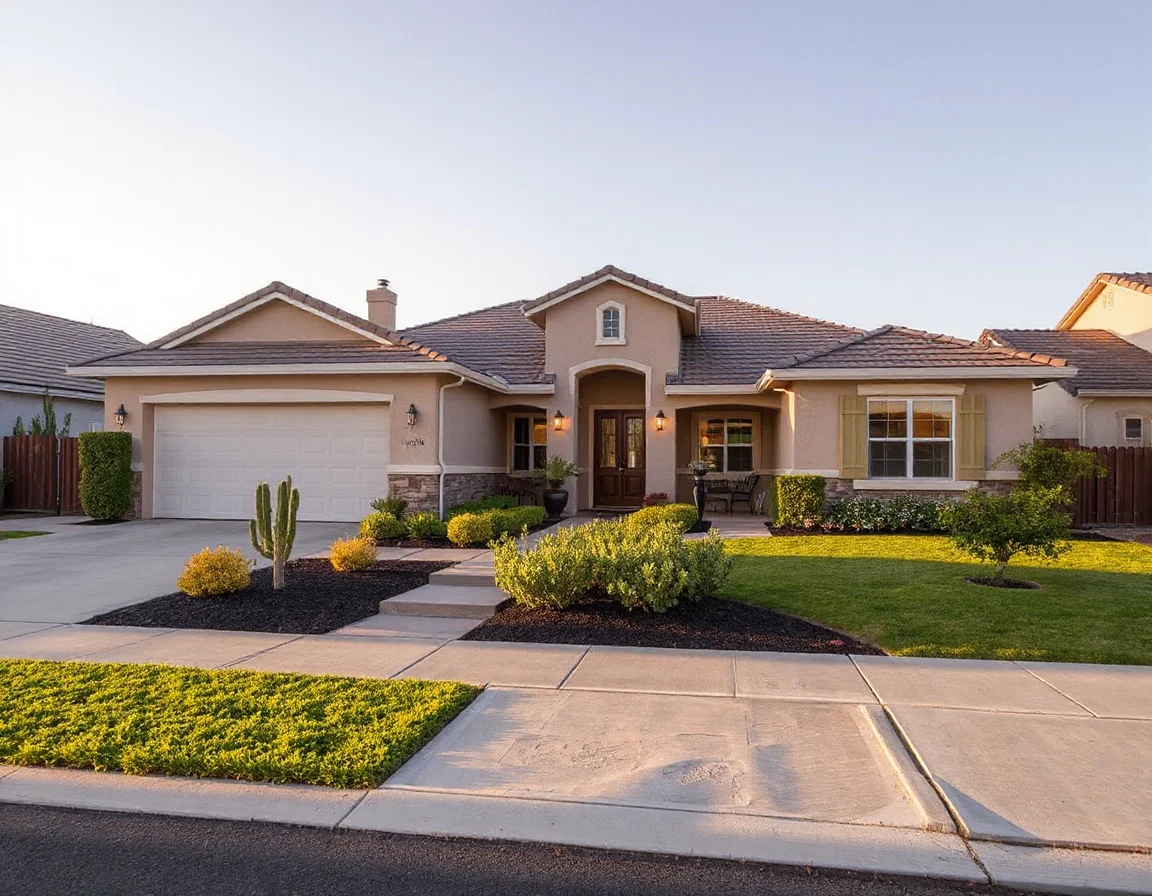
A useful pricing strategy begins with evidence. Recent closed sales show what buyers have actually paid, while active listings reveal the homes competing for attention today. Pending sales can provide another clue about where current demand is landing, although final terms are not always public until closing. Looking at all three categories helps create a fuller picture than relying on a single nearby sale or an automated valuation alone.
Comparable properties should be truly comparable whenever possible. Square footage, lot size, bedroom and bathroom count, age, condition, parking, upgrades, layout, and location within the city all influence value. A remodeled kitchen, owned solar system, larger usable yard, or a flexible bonus space may affect positioning, but the adjustment should be grounded in what the market has demonstrated rather than what an improvement cost to complete.
It is also important to separate a seller’s financial goal from the market’s likely response. Your desired net proceeds can help guide decisions about timing, repairs, and negotiation, but buyers do not see a seller’s mortgage balance or moving budget. They compare value across their available choices. The strongest plan considers both sides: the market-supported list price and the seller’s practical next steps.
The first one to two weeks of a listing often produce the clearest signal of buyer interest. Strong showing activity with limited offers may point to presentation or pricing details worth reviewing promptly.
Use a Pricing Range to Find the Right Position
Rather than searching for one magical number, think in terms of a reasonable market range. A comparative market analysis can identify a lower, middle, and upper range based on recent local evidence. The final list price is then a positioning choice: it should reflect the home’s features, current competition, marketing plan, and the level of flexibility a seller wants to retain.
Pricing near the middle of a well-supported range can be effective when a home is in typical market condition and faces several similar alternatives. A property with especially polished presentation, thoughtful updates, or a scarce feature set may justify a stronger position, provided the evidence supports it. Conversely, a home needing repairs or offering fewer amenities than nearby choices may benefit from a price that acknowledges those differences from day one.
Overpricing is not simply a matter of receiving fewer offers. It can change the type of feedback a seller receives. Buyers who search within a certain budget may never see the property, while buyers who do see it may view it against homes with more features or a more competitive location. If the listing remains available longer than comparable homes, later price adjustments can be more difficult because the market has already had time to form an opinion.
Strategic pricing does not mean giving away value. It means making the home easy to understand in the context of current choices. The goal is to invite serious attention, gather meaningful feedback, and create conditions where qualified buyers can recognize the property’s value quickly.
Plan your Central Valley home sale
Prepare the Home So the Price Feels Credible
Price and presentation work together. A carefully researched list price can lose impact if listing photos are dim, rooms feel crowded, or deferred maintenance distracts from the home’s better features. Before going live, walk through the property as a buyer might: from the curb, through the entry, into the primary living areas, and out to the exterior spaces.

Focus first on improvements that help the home photograph and show well. Fresh touch-up paint, clear walkways, working lights, clean windows, tidy landscaping, and repaired hardware can make an immediate difference. Removing excess furniture and personal items allows room proportions, storage, and natural light to take center stage. Not every home needs a major renovation before listing; often, a targeted preparation plan produces a more measurable result.
Professional photography and a complete digital marketing package can also influence how buyers perceive value before they ever arrive. Many property searches begin online, where images, floor plans, property details, and accurate feature descriptions shape the decision to schedule a tour. Honest, high-quality marketing should highlight the home’s strongest features without overstating condition or making promises the property cannot support.
Ask for feedback after early showings and review it with context. One comment may be personal preference, but repeated observations about layout, condition, traffic, or price comparison can be useful data. A seller who remains open to evidence is in a better position to make an informed adjustment if the response is weaker than expected.
Plan for Offers Before They Arrive
Attracting offers is only the beginning. Before listing, decide which terms matter most alongside price. Closing date, financing type, appraisal considerations, inspection timelines, repair requests, contingencies, and the buyer’s overall ability to perform can all affect the strength of an offer. The highest number is not always the most favorable result if the terms introduce substantial uncertainty or expense.
Disclosures should be organized early and completed thoughtfully. Providing accurate information about known property conditions helps buyers evaluate the home and can reduce avoidable surprises later in the transaction. Sellers should also consider whether a pre-listing inspection, repair estimate, or contractor consultation would clarify a known issue before negotiations begin. The appropriate approach depends on the property and the seller’s priorities.
Timing can play a role as well, but it should not replace sound pricing. Seasonal inventory patterns, interest-rate movement, local employment conditions, and competing listings can all shape activity. Still, a home that is priced and presented with care can stand out in many market environments. The key is to review current conditions close to launch rather than relying on headlines from months earlier.
An offer’s value is a combination of price, timing, financing, contingencies, and follow-through. Reviewing every term side by side can make the best path clearer.
Make Decisions With Current Local Data
Manteca real estate is not one uniform market. Conditions can vary by price point, property type, lot characteristics, and the number of comparable homes available during a particular week. A pricing conversation should be refreshed immediately before launch, then monitored once the listing is active. That approach allows sellers to respond to real market behavior instead of assumptions.
Clear communication is equally valuable. A seller should understand why a price range was selected, which listings are the most relevant competition, what preparation items are likely to matter, and how feedback will be evaluated. With a practical plan, strong digital exposure, and an informed review of offers, pricing becomes a disciplined process rather than a guess.
Whether you are selling a long-held residence, an investment property, or a home connected to a larger move, the right strategy begins with a close look at the property and today’s market. A thoughtful launch can help your Manteca home earn attention for the reasons that matter most: clear value, compelling presentation, and terms that support your next step.