
Bay Area living is less about finding one perfect routine and more about choosing the mix of parks, dining, transit, and home style that fits your daily rhythm. From waterfront paths and regional open space to neighborhood gathering places and varied commute options, the region offers many ways to shape a practical, enjoyable home search. Start by comparing how a location works on an ordinary Tuesday—not only on a weekend visit.
A Region Built Around Many Daily Routines
The Bay Area covers a remarkable range of landscapes and communities, from dense urban districts and historic town centers to hillside streets, waterfront corridors, and inland neighborhoods. That variety is one reason a home search here benefits from looking beyond bedroom count and square footage. A property’s relationship to a trail, transit stop, grocery option, work destination, or favorite outdoor space can influence everyday convenience just as much as an updated kitchen or a larger yard.

Think in terms of a weekly map. Where would you take a morning walk, meet a friend for a meal, pick up essentials, or spend a free afternoon? The answers may point toward different parts of the region. A home close to a neighborhood green space can make it easier to step outside between meetings, while a location near a regional trail or shoreline may offer a longer route for walking, cycling, or simply taking in the view.
Public spaces are a major part of the Bay Area experience. The East Bay Regional Park District preserves broad ridgelines and trail networks; San Francisco offers landmark parks and waterfront promenades; the Peninsula provides access to bayside paths and coastal landscapes; and the South Bay blends city parks with foothill open space. Conditions, parking, trail access, and permitted uses vary by site, so it is worth visiting at the time of day when you would realistically use it.
A location can feel very different at 8 a.m., 5 p.m., and on a Saturday afternoon. Visiting during more than one time window gives a clearer picture of traffic flow, parking, light, and activity around a property.
For buyers comparing homes, this is also a useful way to avoid an overly broad “Bay Area” search. A short list of must-have conveniences can bring focus quickly. Perhaps access to a train station matters most, or perhaps a nearby dog-friendly path, a library branch, a recreation facility, or a dependable route to a favorite part of town is the higher priority. There is no universal checklist; the right one reflects how you intend to use the home and the surrounding area.
Parks, Water, and Open Space Add Everyday Options
Outdoor access is one of the region’s most visible advantages, but it takes many forms. Waterfront settings around the Bay can include paved multiuse paths, marinas, overlooks, and breezy picnic areas. Inland, the terrain changes quickly toward rolling grasslands, oak-studded parks, and higher-elevation trails. On the coast, fog, wind, and cooler temperatures shape the experience in ways that can be very different from an afternoon several miles inland.
When evaluating a home near a park or natural area, consider the practical details alongside the scenery. Ask about trailhead parking, seasonal closures, fire-weather advisories, maintenance schedules, and whether the route is comfortably accessible from the property without driving. A nearby open-space preserve may be a wonderful visual amenity, while a city park with courts, fields, shade, and restrooms may serve a different role in a weekly routine.
Water can also influence a home search in more than one way. Bayfront and coastal locations may offer striking views and outdoor routes, but buyers should also review microclimates, wind exposure, insurance considerations, flood-zone information, and building maintenance needs. Inland communities can offer warmer summers and different access points to reservoirs, Delta waterways, or agricultural landscapes. Comparing these factors early can help set realistic expectations about both lifestyle and ownership costs.
For anyone reviewing school options as part of a move, it is helpful to use objective sources such as district websites, state report cards, enrollment information, transportation policies, and program descriptions. Boundaries and attendance policies can change, so confirm current details directly with the appropriate district rather than relying on a listing description or informal advice.
Dining and Gathering Places Reveal Local Texture
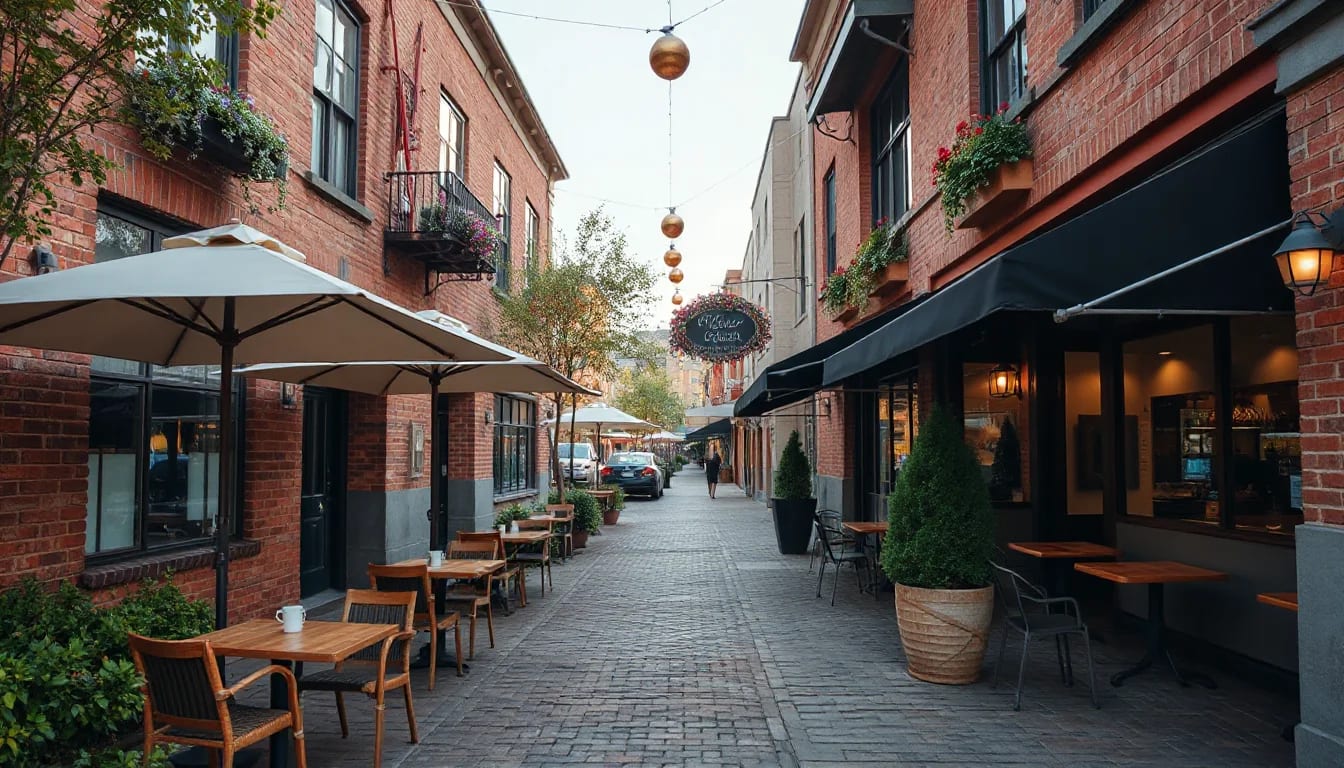
A neighborhood’s dining scene is often best understood through patterns rather than rankings. Some areas have compact commercial corridors where independent bakeries, casual lunch counters, produce markets, and evening gathering spots are clustered within a few blocks. Others are more spread out, with destinations reached by car, bike, or transit. Both arrangements can work well; the question is which pattern makes it easiest to enjoy the places you value most.
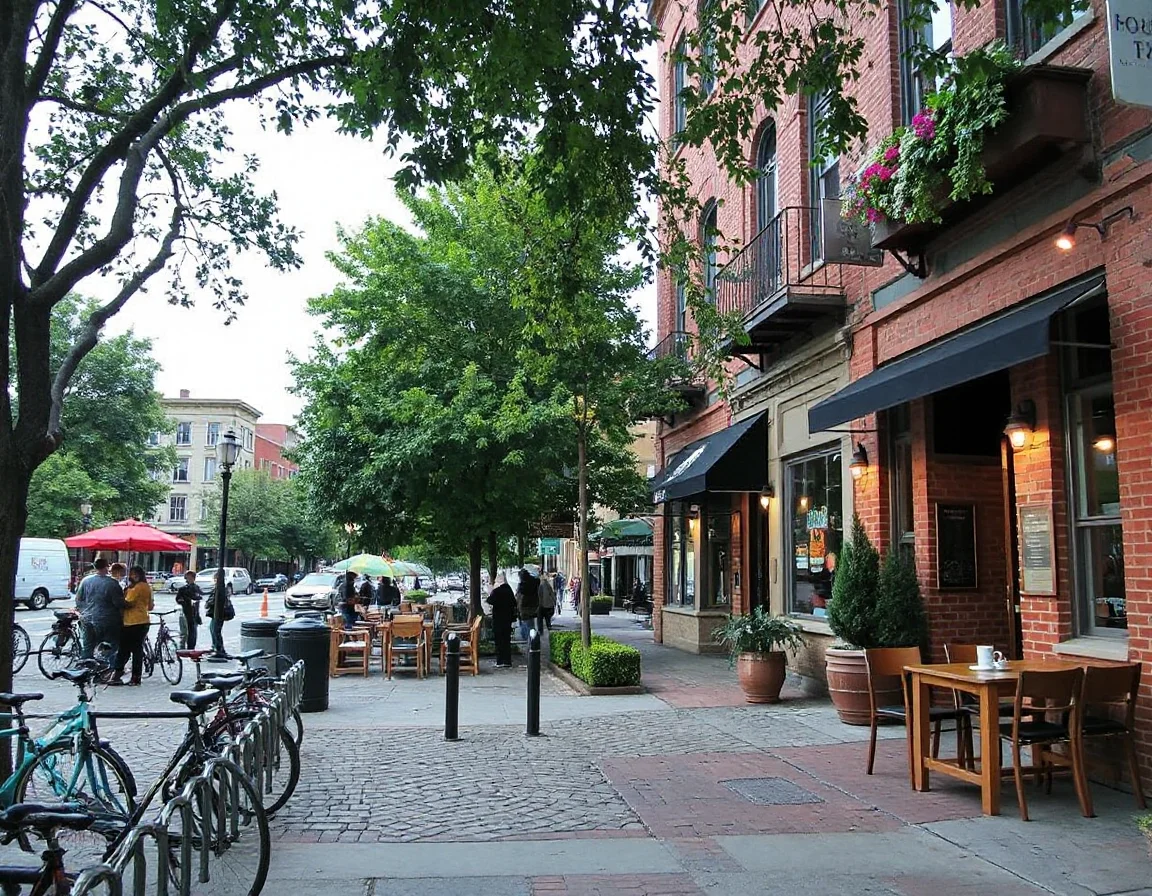
Trying a local area at different times can reveal useful details. A weekday coffee run may show morning traffic and parking turnover, while an early evening meal can demonstrate how busy nearby streets become after work. If you expect to walk, note sidewalks, crossings, street lighting, grade changes, and the amount of time the route actually takes. If you expect to drive, test the route from the property rather than estimating from a map.
The Bay Area is also well known for farmers markets, neighborhood events, art walks, cultural venues, and public libraries. These amenities are not just occasional entertainment; they can become reliable anchors for a routine. Checking community calendars and municipal recreation pages before making an offer can help identify which activities are convenient to a particular address and which may require a longer trip.
A five-minute difference in a regular errand can matter more than a longer drive to an occasional destination. Build your search around the places you expect to use every week.
Dining access can also affect resale appeal, though it should never be the only factor in a pricing decision. Buyers often respond to a well-rounded location with visible amenities, but value still depends on condition, layout, lot characteristics, inventory, comparable sales, and current market conditions. A thoughtful local analysis weighs the neighborhood’s practical strengths without making broad assumptions about who may prefer it.
Commute Planning Means Testing More Than One Route
Commutes remain a major Bay Area consideration, even as many workplaces use hybrid schedules. The region’s transportation network includes BART, Caltrain, ACE, Muni, ferries, buses, major highways, bike routes, and employer-operated shuttles in some locations. Yet the most useful commute information is personal: departure time, transfer points, parking availability, childcare or appointment schedules, and how often the trip is required all change the equation.
Before narrowing a search, test likely routes on the days and hours that mirror your actual schedule. Check travel-time estimates in both directions, but also factor in the walk from home to transit, the distance from a station to the final destination, and the backup plan when service changes or traffic slows. For hybrid workers, it may make sense to compare a longer commute two days a week against a shorter but more frequent drive.
Property type can influence these choices as well. Condominiums and townhomes near transit or active corridors may offer a compact footprint and shared amenities, while detached homes farther from core transit routes may offer different space, parking, or outdoor-area considerations. Review HOA documents where applicable, parking rules, storage, charging options, and any planned transportation or development projects that could affect access over time.
Bring the Whole Picture Into Your Home Search
The strongest Bay Area home searches connect property details with real-life use. Make a short list of non-negotiables, then add a second list of preferences that can be traded off: park access, a certain transit connection, a neighborhood dining corridor, outdoor space, views, storage, or a more flexible commute. This approach makes it easier to compare homes fairly when no single property checks every box.
It also helps to keep the market in perspective. Inventory, interest rates, seasonal patterns, and competition can shift quickly across cities and even between adjacent neighborhoods. Buyers benefit from reviewing recent comparable sales and understanding the condition of each home, while sellers benefit from presenting both the property and its surrounding convenience with accurate, specific information.
Whether your next move centers on a waterfront walk, a reliable rail connection, a favorite local meal, or access to open space, the Bay Area offers many possible combinations. The goal is not to chase a generic idea of the “best” location. It is to find a home and surrounding routine that support the way you want to live, work, recharge, and explore.