
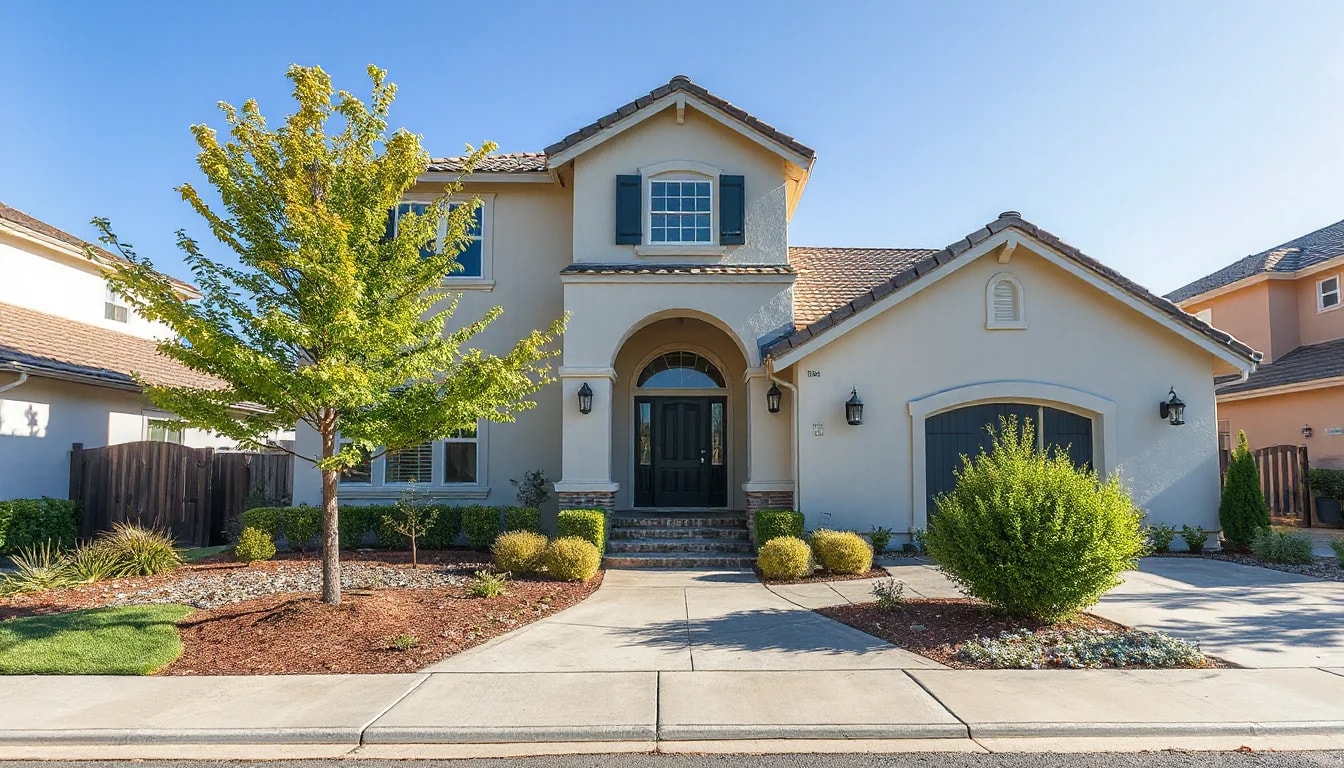
A Tracy rental can look promising on a listing sheet, but the purchase only makes sense when rent, financing, operating costs, and future flexibility work together. This guide breaks down the numbers to test before making an offer, from realistic income estimates to reserves for repairs and vacancies. A disciplined analysis helps turn a property search into an investment decision.
Start With the Income a Property Can Realistically Produce
Rental potential begins with a grounded estimate of market rent, not the highest number found in an online search. Compare homes with similar bedroom counts, bathrooms, condition, parking, lot utility, and location within Tracy. A recently updated home may command a different rent than a comparable home with original finishes, while a property with a practical layout, laundry area, usable storage, or outdoor space may compete differently than one without those features.
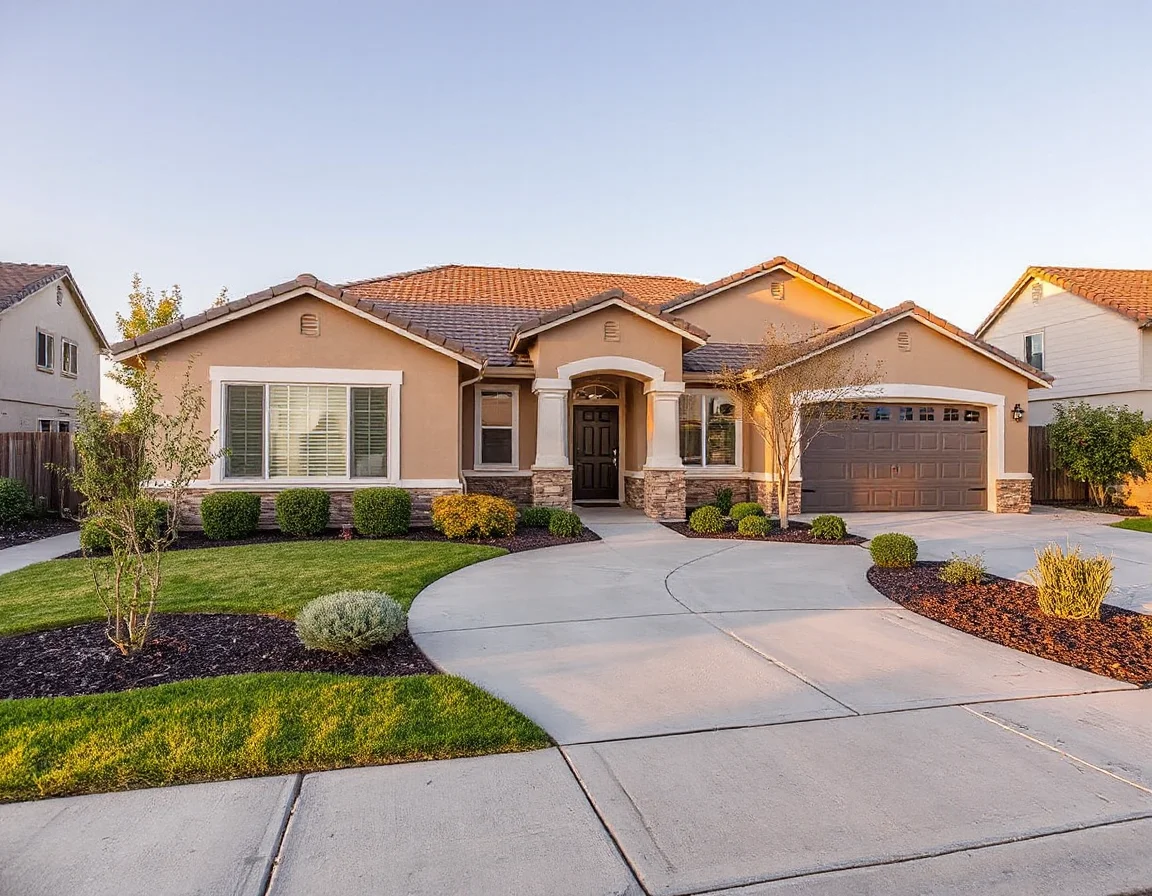
Look beyond active rental advertisements whenever possible. Asking rents show what owners hope to receive; completed leases and recent comparable activity are more useful indicators of what the market has supported. A conservative underwriting approach uses a rent figure that is defensible today, then tests whether the property still performs if rent growth is flat for a year.
Tracy’s position in the Central Valley and its access to regional employment corridors can make it a market that attracts ongoing housing demand, but demand is never a substitute for analysis. Inventory, interest rates, seasonal leasing patterns, competing new construction, and the condition of nearby available rentals can all affect pricing. An investor should be prepared to adjust assumptions as the market changes rather than relying on a single estimate created at the beginning of a search.
A rental projection is stronger when it works at a conservative rent estimate and still leaves room for ordinary repairs, turnover costs, and a vacancy reserve.
A useful first calculation is gross scheduled rent: expected monthly rent multiplied by 12. From there, subtract a vacancy and collection allowance before treating the income as available cash flow. Even a well-maintained property can have a gap between occupants, and budgeting for that possibility keeps a lease transition from becoming an unexpected financial strain.
Build the Operating Budget Before You Fall in Love With the Property
Purchase price is only the first line of an investment worksheet. The more revealing question is what remains after recurring expenses. Start with property taxes, insurance, association dues when applicable, utilities paid by the owner, landscaping, pest service, accounting, property management, leasing costs, and routine maintenance. Then include an annual capital reserve for larger items that do not arrive every month but eventually require attention, such as roofing, HVAC equipment, appliances, fencing, paint, or irrigation repairs.
A common mistake is treating maintenance as zero simply because a home appears move-in ready. Condition matters, but every property ages. Review the roof, heating and cooling systems, water heater, plumbing fixtures, electrical panel, drainage, windows, and exterior surfaces with an inspector and use those findings to plan realistic reserves. If an item is approaching the end of its useful life, the projected return should reflect that timing.

Property management deserves a place in the budget even if you expect to manage the home personally. Your time has value, and management can become particularly important if your work, travel, or portfolio expands. Including a management estimate gives you a clearer view of whether the asset can stand on its own financially. If you later self-manage, that savings becomes an operational choice rather than an overlooked cost.
Also review local and state requirements that may affect ownership and leasing. California landlord-tenant rules, fair housing obligations, habitability standards, security-deposit procedures, required notices, and city or association restrictions can influence both operations and expenses. Consult qualified legal, tax, and property-management professionals for guidance tailored to the property and your plan.
Measure Cash Flow, Cap Rate, and Cash-on-Cash Return Separately
These terms are often used interchangeably, but they answer different questions. Net operating income, or NOI, is gross income after vacancy and operating expenses, before mortgage payments and income taxes. Dividing NOI by the purchase price gives a capitalization rate, or cap rate. It is a quick way to compare the property’s unleveraged operating performance with other opportunities.
Cash flow is what remains after operating expenses and debt service. For a financed purchase, this is the number that most directly affects monthly ownership experience. Model the actual loan terms: down payment, interest rate, loan type, mortgage insurance when applicable, and projected payment. A small change in rate or purchase price can materially change the result, especially when inventory is limited and buyers are tempted to stretch beyond their original budget.
Cash-on-cash return goes one step further by comparing annual pre-tax cash flow to the total cash invested. That investment includes not only the down payment, but also closing costs, initial repairs, lender fees, and any funds needed to prepare the home for leasing. It is a useful measurement because it shows how efficiently invested cash is producing income, but it should be reviewed alongside long-term equity growth, tax considerations, and your overall risk tolerance.
Run several versions of the same worksheet: a base case, a cautious case, and an upside case. In the cautious version, use a slightly lower rent, a longer vacancy period, and higher repair costs. If the property only works under the most optimistic assumptions, it may not provide enough margin for normal ownership surprises.
Factor in Appreciation Without Depending on It
Long-term appreciation can be an important component of residential real estate returns, particularly when principal reduction and disciplined upkeep build equity over time. Still, appreciation is not guaranteed, and it should not be the only reason a purchase makes sense. Market values can move in either direction, while selling costs and timing can affect how much equity is available when you eventually exit.
Instead of assigning a bold annual appreciation rate, consider the property’s fundamentals. Is the home functionally laid out? Does it have condition issues that can be addressed thoughtfully? Are its ongoing ownership costs manageable? Is there a clear pool of potential future buyers and renters based on objective housing features and market demand? These are more durable questions than trying to predict the next year’s price movement.
For investors considering a future sale, document improvements, retain invoices, and keep a record of major maintenance. That information can help with property planning, tax conversations, marketing preparation, and a later evaluation of whether to sell, hold, or explore a 1031 exchange with qualified professional guidance.
Use Due Diligence to Protect the Return You Calculated
The best spreadsheet cannot compensate for skipped due diligence. Before removing contingencies, review inspection results, seller disclosures, title information, association documents if relevant, insurance availability, property tax estimates, and any lease documentation associated with an occupied property. Confirm which appliances, systems, and services are included, and identify whether any deferred maintenance could affect the first year of ownership.
It also helps to think through an exit plan before you buy. You may intend to hold for income, but a future decision could involve refinancing, selling, renovating, or exchanging into another property. A home with sound fundamentals and a realistic operating budget gives you more choices than one purchased solely because the initial payment seemed manageable.
The goal is not to find a “perfect” rental; every property involves tradeoffs. The goal is to know the tradeoffs clearly, price them into the offer, and choose an investment whose income potential, expenses, and risk level fit your broader financial plan. With careful rent research and conservative assumptions, a Tracy property purchase can be evaluated with confidence rather than guesswork.