

Preparing a Manteca home for sale does not require a full remodel. The most effective pre-listing work focuses on visible condition, dependable systems, and updates that help buyers understand the home’s value from the first photo through the final walkthrough. Use this checklist to prioritize the projects that can make a meaningful difference before your property reaches the market.
Start With Repairs Buyers Can See
Before choosing paint colors or browsing new fixtures, walk through the home with a practical eye. Look for the small maintenance items that can make a property feel unfinished: loose cabinet pulls, sticking doors, cracked switch plates, worn caulk, dripping faucets, damaged screens, and scuffed baseboards. None of these projects may be large on its own, but together they shape a buyer’s first impression of how the home has been cared for.
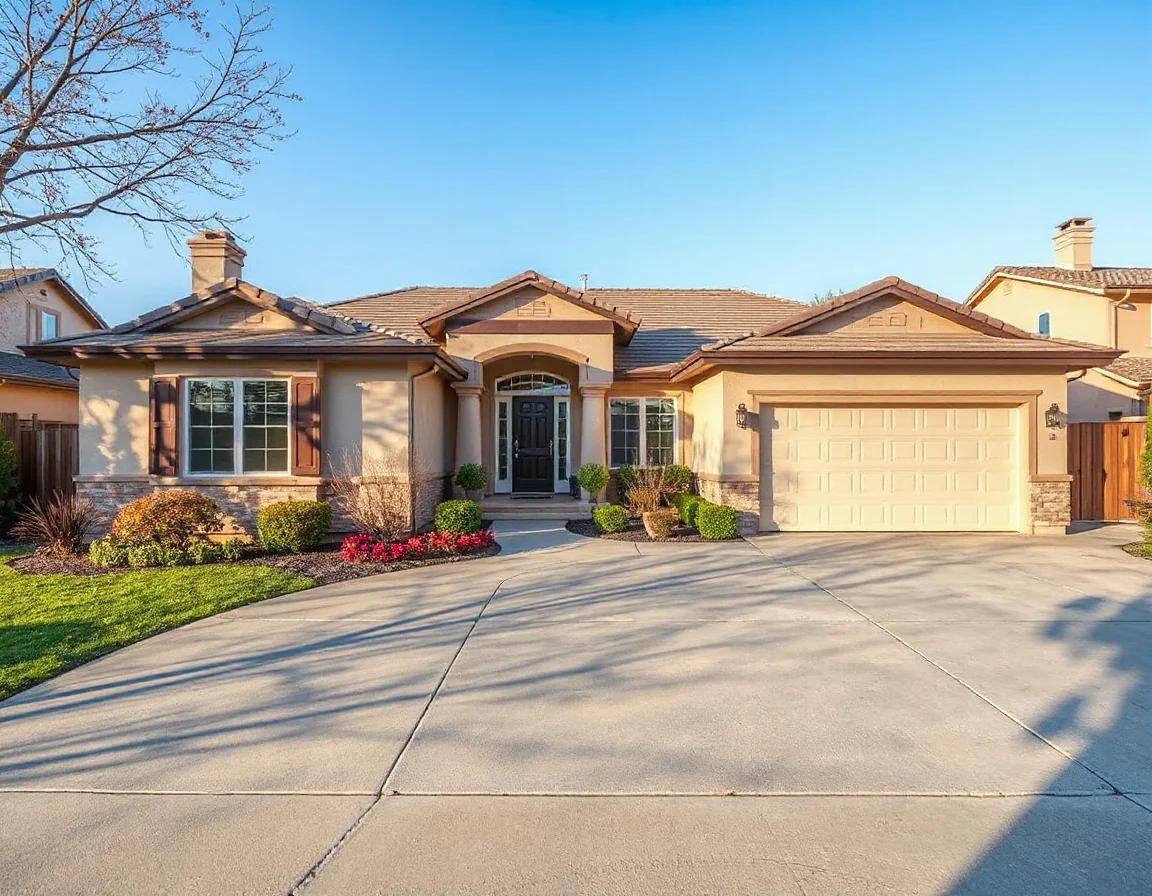
Begin at the curb. Trim overgrown plants, remove yard debris, replace dead landscaping where practical, and make sure the front entry is clean and easy to approach. Check exterior lighting, address peeling paint, and make certain house numbers are visible. In Manteca’s sunny Central Valley climate, dry landscaping, faded trim, and dusty hardscape can stand out quickly in listing photos, so a focused exterior refresh often delivers an immediate visual lift.
Inside, concentrate first on function. Repair anything that does not operate as intended, including window latches, ceiling fans, garage doors, blinds, drawer slides, and appliance components that are staying with the property. If there is a known issue with a major system, it is worth discussing the repair options and disclosure requirements before listing rather than waiting for an inspection to bring it forward.
A clean, working home creates confidence long before a buyer receives inspection documents. Small repairs are often less expensive and less disruptive when completed before professional photography and showings begin.
Make a written list and sort each item into three groups: repairs needed for function, improvements that strengthen presentation, and projects that can wait. That simple triage keeps the pre-listing process from turning into an open-ended renovation. The goal is not to create a brand-new house; it is to present an accurate, polished version of the home buyers will be evaluating.
Refresh the Rooms That Influence Value Perception
Kitchens, bathrooms, and main living spaces typically receive the most attention during tours and online browsing. A full replacement is not always necessary. Often, careful cleaning, updated hardware, fresh caulk, neutral touch-up paint, and brighter lighting can make an existing space feel more current without expanding the project timeline.
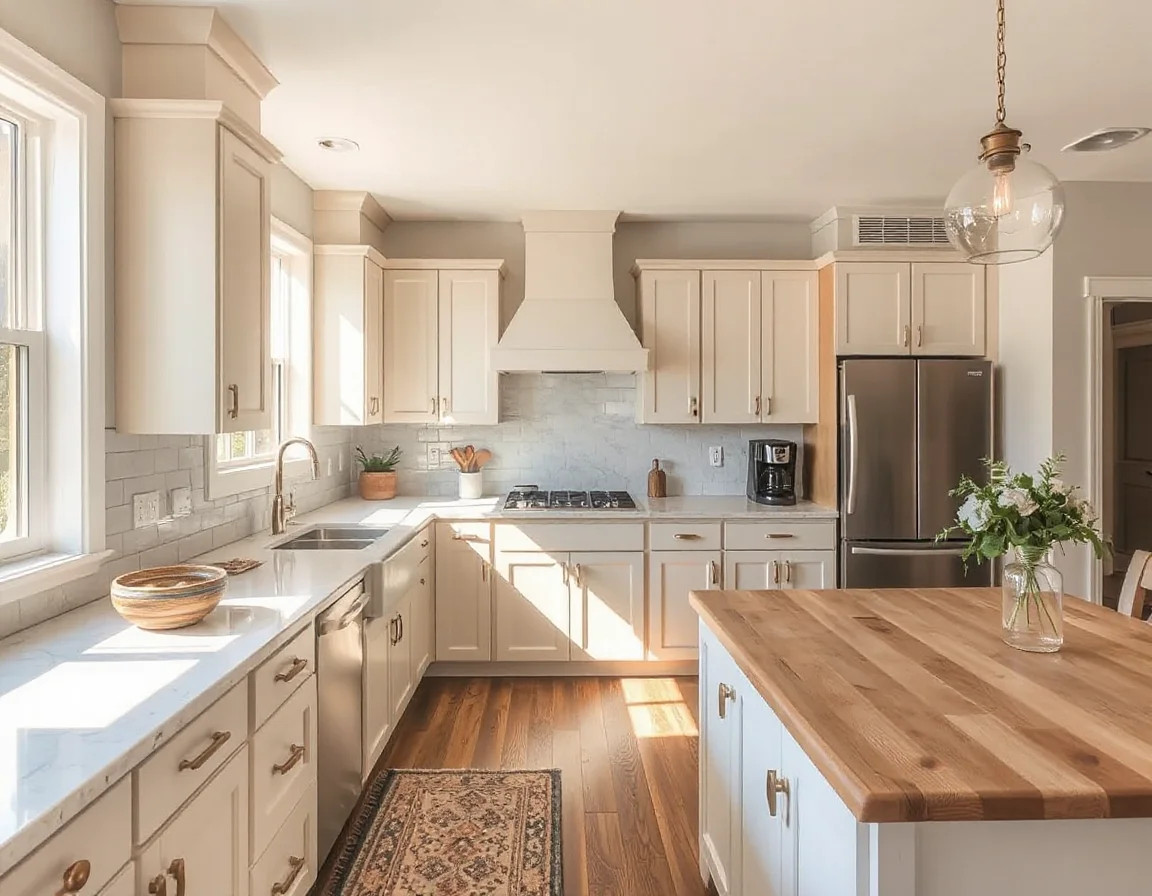
In the kitchen, clear countertops, clean appliance fronts, and inspect grout, cabinet doors, and sink fixtures. Replacing a dated light fixture or worn faucet can be a targeted update, particularly if the rest of the room is in good condition. Avoid making highly personal design choices just before selling. Durable, restrained finishes tend to photograph well and allow buyers to picture how they might use the room.
Bathrooms deserve the same detailed attention. Deep-clean tile and grout, replace stained caulk, repair slow drains, and confirm that ventilation fans and lighting work properly. Fresh towels and a simplified vanity can help for showings, but the lasting value is in visible cleanliness and maintenance. If fixtures are badly worn or mismatched, a modest replacement may be more useful than trying to disguise them.
Throughout the home, assess paint with a critical eye. Walls marked by scuffs, patchwork touch-ups, or bold color changes can distract from room size and natural light. Fresh neutral paint is one of the more reliable ways to unify a property, especially in high-traffic hallways, entry areas, and living rooms. It can also make photography more consistent from room to room.
Prioritize updates that improve condition, light, and usability. A coordinated refresh usually has more impact than several unrelated upgrades completed at the last minute.
Flooring should be cleaned thoroughly and repaired where possible. Replace damaged planks, secure loose transitions, and consider professional cleaning for carpet before deciding on replacement. If flooring is visibly worn across several connected spaces, review the likely cost and market impact before proceeding. A strategic decision should account for the home’s price range, competing listings, and the condition buyers expect in the immediate market.
Prepare for Photography, Showings, and Inspections
Once repairs and updates are complete, shift from construction mode to presentation mode. Listing photos work best when rooms have clear pathways, visible windows, and a simple purpose. Remove excess furniture, personal collections, countertop appliances, and storage bins that make spaces appear smaller. Closets, the garage, laundry area, and pantry matter too; buyers often open those doors to evaluate storage and upkeep.
Natural light is an asset, so clean windows inside and out where accessible, open blinds for photography, and replace burnt-out bulbs with matching warm or neutral bulbs. Check every room at the time of day it is likely to be photographed. A dark corner may only need a lamp, a lighter window treatment, or furniture moved away from the glass.
It is also wise to assemble paperwork early. Gather permits and invoices for significant work, warranty information for transferable systems or appliances, utility information, HOA documents if applicable, and receipts for recent maintenance. Organized records do not replace required disclosures, but they can make it easier to answer questions accurately and keep the transaction moving when buyer interest arrives.
A pre-listing inspection can be useful in some situations, particularly for an older home, a property with deferred maintenance, or a seller who wants more time to address known concerns. It is not the right choice for every listing, but discussing the option early can help you decide whether repairs should be completed before the home is marketed or handled through pricing and disclosure strategy.
Plan your home-selling strategy
Spend With a Clear Goal, Not a Guess
The best pre-listing budget is specific to the property. A newer Manteca home may benefit most from detailing, landscaping, and presentation, while an older property may need attention to paint, flooring, fixtures, or deferred maintenance. Major renovations can be worthwhile in certain cases, but they should be evaluated against likely timing, cost, neighborhood competition, and the risk of choosing finishes buyers may not value the same way.
Before committing to a larger project, ask whether it corrects a condition issue, improves a room buyers consistently notice, or helps the property compare more effectively with active listings. If the answer is no, preserve your budget for repairs, cleaning, staging, photography, and pricing strategy. Those fundamentals support a stronger launch and create a more coherent story for the home.
Thoughtful preparation is ultimately about reducing distractions. When buyers can focus on the layout, light, outdoor space, storage, and condition of a home rather than a list of unfinished tasks, they can more easily evaluate its potential. A focused checklist, realistic timeline, and clear plan for repairs can help your Manteca listing enter the market looking ready for its next chapter.