
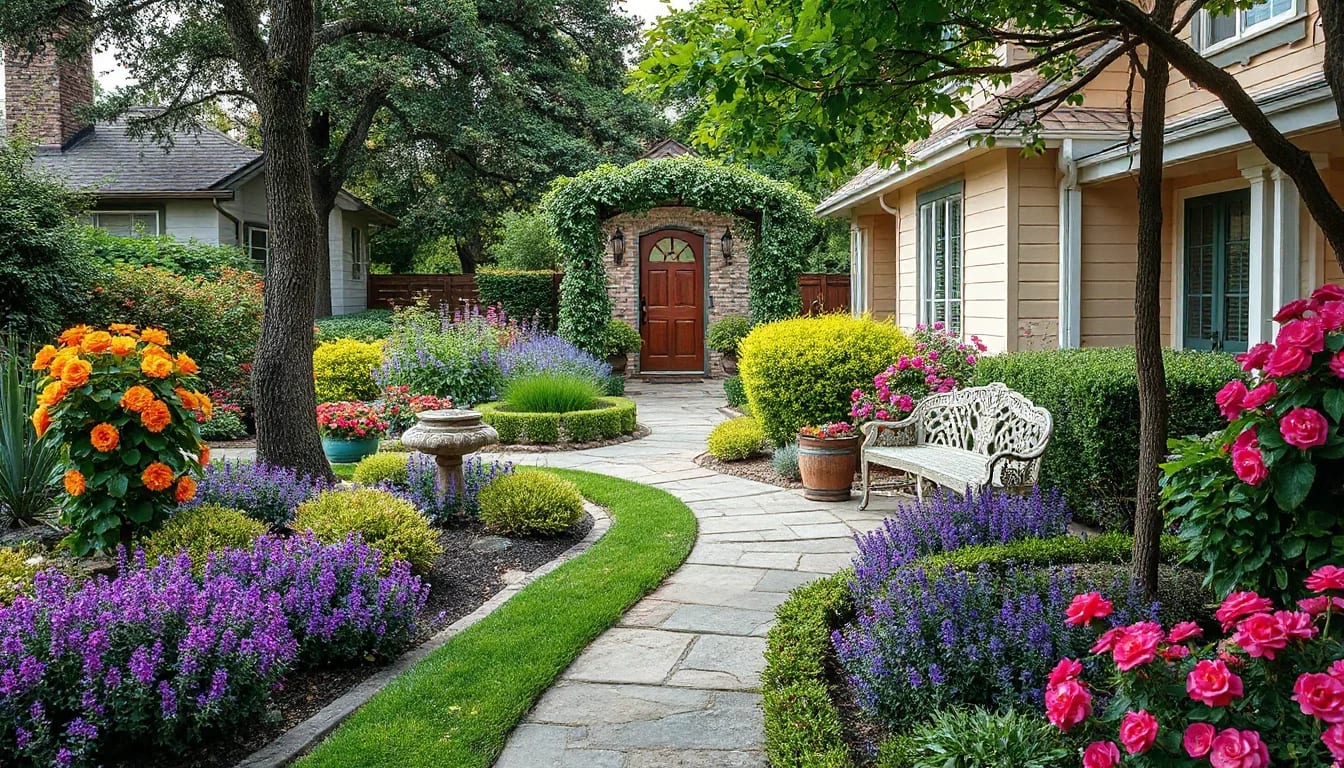
Listing photos are often a buyer’s first real visit to a home, and a few purposeful staging choices can make each room feel brighter, larger, and easier to understand. This practical Tracy seller guide focuses on the details that matter on camera: light, scale, flow, curb appeal, and a polished presentation that still feels authentic.
Think Like the Camera Before You Start Moving Things
Strong listing photos do more than document rooms—they help viewers quickly picture the layout, notice the home’s features, and move naturally from one image to the next. Before a photographer arrives, walk through the property with fresh eyes. Stand at each doorway, look toward the windows, and identify anything that pulls attention away from the architecture: crowded counters, cords, oversized furniture, mismatched décor, or personal items that dominate the scene.
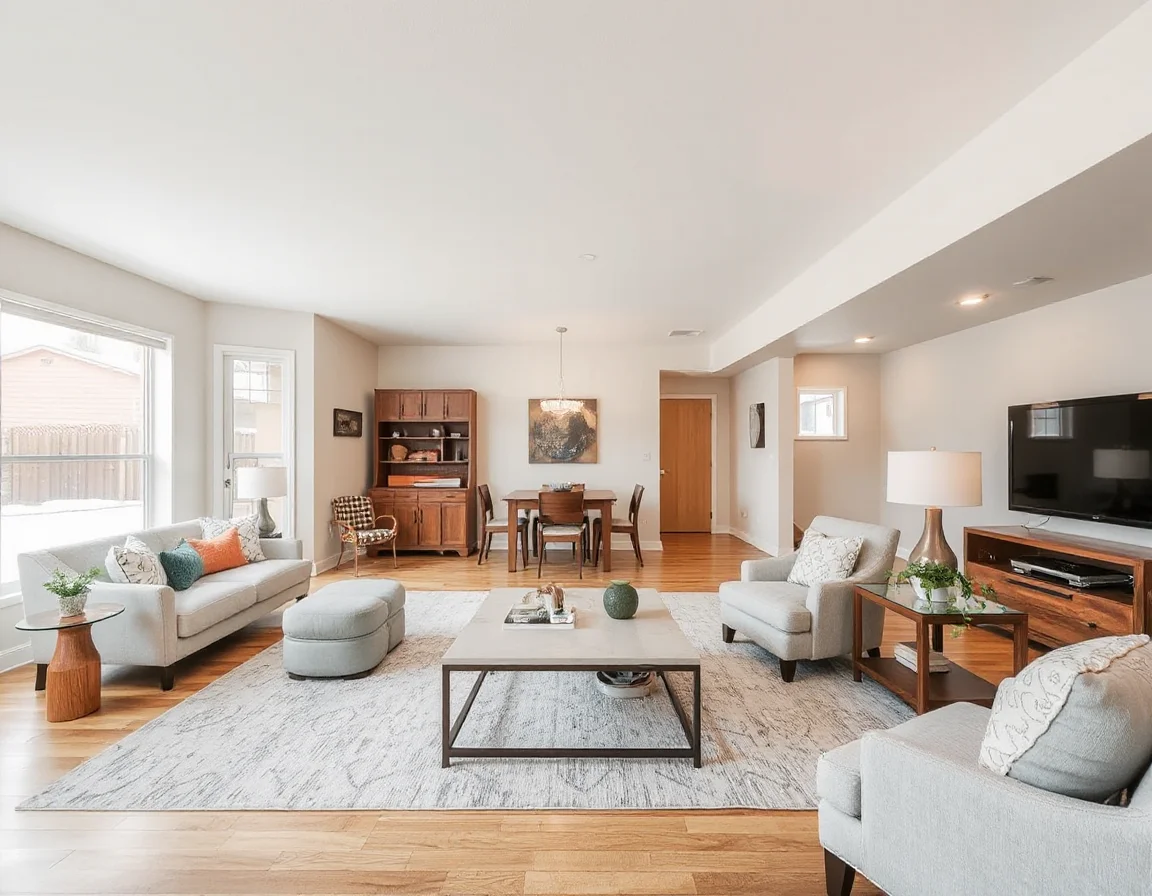
The goal is not to make a home look generic. It is to create enough visual calm that buyers can focus on the qualities they are evaluating: ceiling height, window placement, storage, finishes, outdoor access, and room-to-room flow. Keep one or two intentional focal points in each space, such as a dining table set simply, a neatly made bed, or a seating area arranged to show how a room functions. When every surface competes for attention, photos can feel smaller and more confusing than the home does in person.
Start by removing highly personal photographs, refrigerator magnets, pet supplies, paperwork, and branded packaging. This is not about erasing personality; it is about giving the home a clean visual story. A bowl of fresh citrus, a textured throw, or a single piece of restrained artwork can add warmth without creating clutter. If a room is used for several purposes, make the primary function obvious for photography. A spare room with exercise equipment, storage boxes, and a desk may photograph more clearly when it is edited down to one well-defined use.
For photo day, clear at least 70% of visible countertop space. Kitchens and baths typically look more spacious on camera when only a few intentional items remain.
Lighting deserves the same level of attention. Open curtains and blinds where privacy allows, replace burned-out bulbs, and use bulbs with a consistent color temperature. Mixed cool and warm bulbs can make rooms look uneven in photographs. During a pre-photo walkthrough, turn on lamps that add a soft glow, but avoid creating pools of glare on glossy countertops, mirrors, or television screens. Your photographer can make exposure adjustments, yet clean, consistent light in the home gives every image a stronger starting point.
Give the Kitchen, Baths, and Main Living Areas Extra Attention
In many listings, the kitchen is one of the most viewed spaces online because it communicates both condition and daily usability. Begin with a deep clean: polish appliances, wipe cabinet fronts, clean the sink, and make sure the range and backsplash are free of residue. Then simplify. Put away dish racks, small appliances, cleaning products, and most countertop containers. Leave only a few coordinated pieces, such as a cutting board, a bowl of produce, or a simple vase, to give the room dimension without hiding work surfaces.
Bathrooms benefit from a similarly edited approach. Fresh, neatly folded towels, a clean bathmat, closed toilet lids, and clear counters immediately improve the image. Remove used toiletries, medications, tissue boxes, and shower products from sight. Glass shower doors should be spotless, and mirrors should be checked from every angle for streaks. These tasks may seem small, but a bathroom photograph has very little room for visual distraction.
In living rooms and bedrooms, scale is the key consideration. Furniture should show how the room can be used while leaving visible pathways around it. If a sectional blocks a window or fills most of the floor area, consider temporarily removing a piece before photography. Make beds with smooth, neutral bedding and limited pillows. In a larger room, a reading chair or small plant can help define a corner. In a compact room, less is almost always more.
Do not forget the less glamorous spaces. Laundry areas, hallways, closets, garages, and utility rooms may not all be photographed, but their condition affects the overall impression during showings. Put away loose supplies, straighten shelving, and make sure doors open freely. Sellers often focus on the most visible rooms and overlook the transition spaces that help a home feel organized from entrance to backyard.
Explore a tailored home-selling strategy
Create a Welcoming Exterior Without Overcomplicating It
Online interest begins at the curb. Exterior photos establish the first impression, so plan to spend time on the approach to the home as well as the rooms inside it. In Tracy, bright sunlight can emphasize dust, dry leaves, and uneven landscaping, while a well-kept entry can make the property feel immediately cared for. Sweep the walkway, move bins out of view, coil hoses, and remove vehicles from the driveway when possible. Check that house numbers are visible and exterior lights are clean.
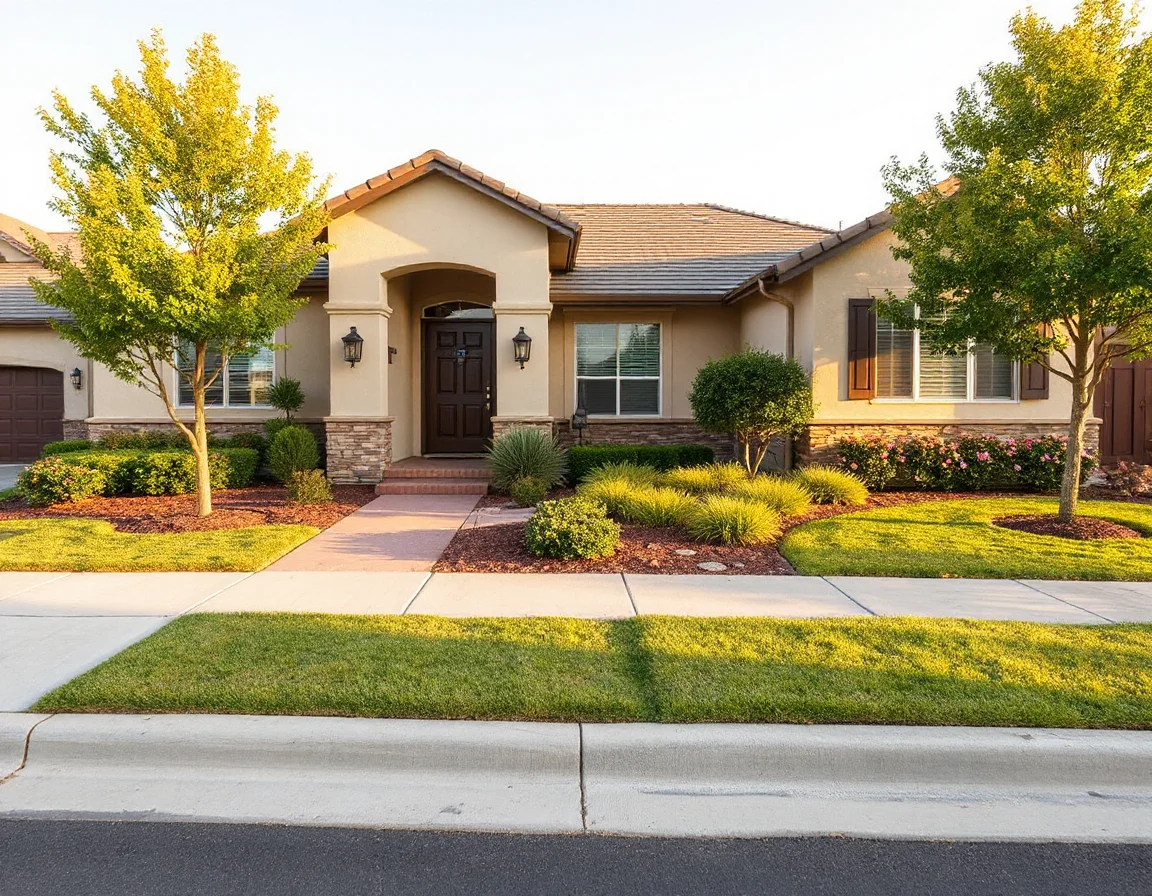
A modest refresh goes a long way: trim shrubs away from windows, rake decorative rock or mulch, replace a tired doormat, and add a few healthy potted plants if the entry needs color. The best exterior staging feels maintained rather than heavily decorated. Keep porches and patios open enough for viewers to see their size and potential. If outdoor furniture is used, arrange it in a way that suggests conversation, dining, or relaxation without crowding the area.
Backyards deserve a complete reset, especially when they include features buyers may value during their search, such as covered patios, lawn space, garden beds, pool areas, or built-in outdoor cooking features. Put away tools, toys, pool equipment, and weathered cushions. Clean glass doors and outdoor tables. If your property has a view, make sure it is not blocked by furniture or overgrown plants. The image should communicate the usable space first and decorative details second.
Timing can also influence exterior results. A professional photographer will help select the best time for the front of the home based on its orientation, but sellers can prepare by observing where sun and shade fall during the day. Watering landscaping the evening before, rather than immediately before the appointment, can help avoid puddles and wet surfaces. Plan enough time to finish exterior work before the photographer arrives so the home looks settled rather than mid-project.
Make Photo Day Calm, Clean, and Deliberate
Once staging is complete, protect the work you have done with a simple photo-day checklist. Empty indoor trash cans, hide charging cables, turn off ceiling fans, straighten rugs, and check that blinds are aligned. Keep pets comfortably off-site or in a location agreed upon with the photographer, and remove pet beds, bowls, litter boxes, and crates from photographed areas. A quiet, uncluttered home also makes it easier for the photographer to work efficiently through each room.
It is helpful to have a final “landing zone” for last-minute items: a vehicle, a storage bin, or one closet that is unlikely to be photographed. This prevents the common scramble of moving loose items from room to room as the camera progresses. Avoid overfilling a closet just to clear a room; buyers may open it during a showing. Instead, sort and donate what you no longer need before the listing goes live, then store only a manageable amount out of sight.
Staging is not a substitute for appropriate pricing, property preparation, or a thoughtful marketing plan, but it is a powerful way to support all three. Clean, well-composed photographs can encourage more buyers to spend time with a listing, compare its features carefully, and decide whether to schedule a visit. The most effective presentation is honest about the home while making its best features easy to see.
Whether your Tracy property is a compact townhome, a single-level residence, or a larger home with outdoor living space, approach photography as a focused part of the selling process rather than a last-minute task. A few hours of editing, cleaning, and thoughtful arrangement can produce a listing gallery that feels polished, inviting, and ready for close attention.