

The number of homes for sale is only one piece of the Manteca market. Price changes, time on market, and the terms of recent sales can reveal whether buyers have more room to negotiate or sellers face stronger competition. Here’s how to read those signals before deciding when and how to make a move.
Start with the Homes Available Now
When you begin watching the market, it is tempting to focus on a single headline about prices. A more useful starting point is the selection of homes that actually compete with the property you want to buy or sell. In Manteca, that means comparing homes by location, size, condition, age, and features rather than treating every listing as interchangeable.
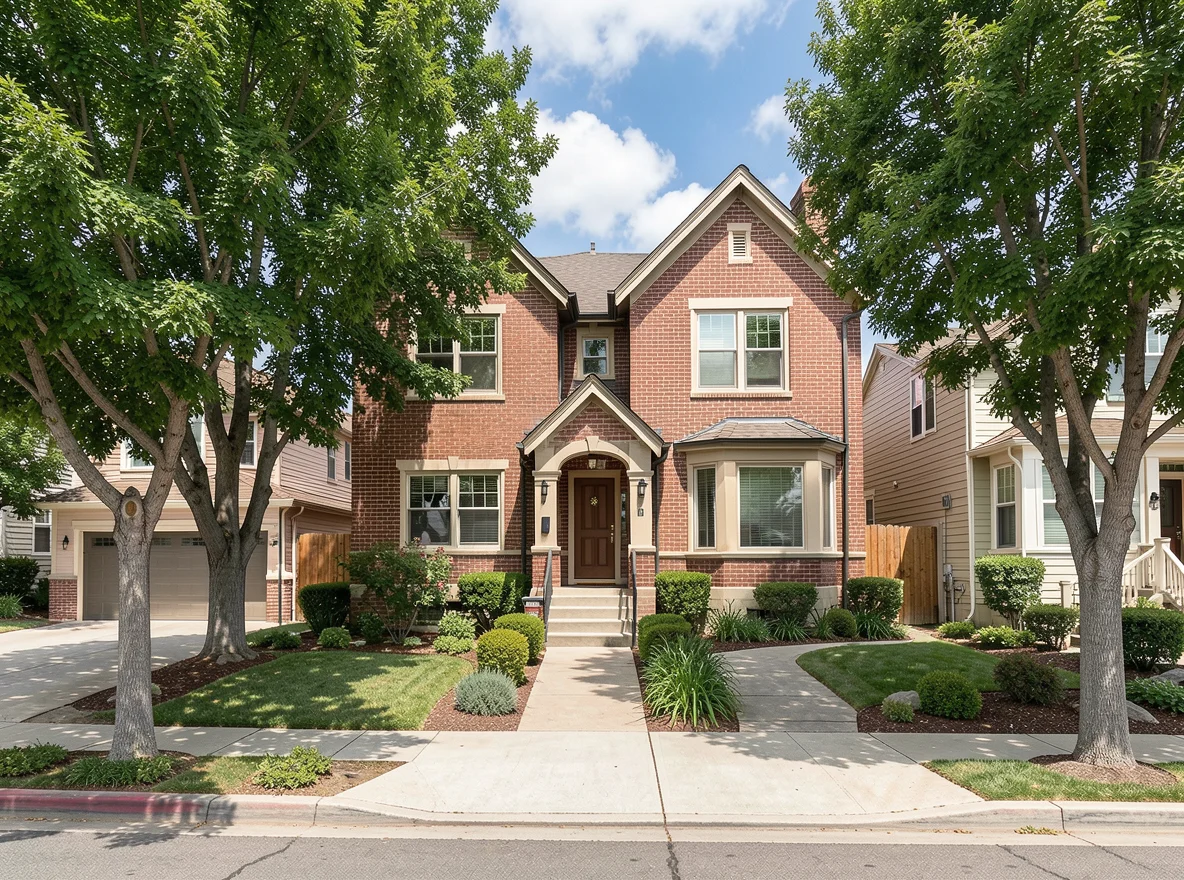
Active listings show the choices available at a particular moment, but they do not tell the whole story. New listings add to the selection, pending sales remove options from the active pool, and withdrawn listings may never have found a buyer at their asking price. Looking at those changes together offers a clearer picture than a count taken on its own.
Ask for a recent market snapshot and compare it with the same period last year as well as the preceding few months. Be sure the geographic boundaries and property types are consistent. A citywide figure can move differently from the segment that matters most to you, especially when only a small number of similar homes are listed.
A larger inventory count does not automatically mean every buyer has more leverage. The most relevant measure is how many comparable homes are available in your price range.
Read Price Movement Beyond the Median
The median sale price is the midpoint of closed sales during a given period. It is useful for tracking the market broadly, but it can rise simply because more higher-priced homes sold that month. It can also fall when the mix shifts toward smaller or less expensive properties. Neither change proves that every individual home gained or lost value.
For a more grounded comparison, review recent closed sales alongside current listings and pending properties. Pay attention to square footage, lot characteristics, upgrades, condition, and location. A renovated home and a nearby property that needs extensive work may tell very different pricing stories even when their floor plans look similar.
List prices are important, but they are not the same as sale prices. A home may sell above or below its asking price, and the final terms may include credits or other concessions. Closed-sale details, when available, help explain what buyers and sellers actually agreed to rather than what sellers initially hoped to receive.
Watch the Direction, Not Just One Month
Short periods can produce noisy results, particularly when the number of comparable sales is limited. Looking across several months can help you spot whether homes are taking longer to sell, whether price reductions are appearing more often, and whether the selection of competing properties is expanding or contracting. Compare similar time periods where possible, since seasonal listing patterns can affect the picture.
What Changing Inventory Means for Buyers
If more suitable homes come to market, buyers may have additional opportunities to compare layouts, locations, and costs. If choices narrow, a well-prepared buyer may need to evaluate new listings promptly. Either way, a good decision begins with a budget that accounts for the full cost of ownership, not just the advertised price.

Before touring, speak with a lender about financing and review estimated payments, property taxes, insurance, and any homeowners association dues. Rates and loan terms can change, so a payment estimate deserves a fresh look when your price range or financing options change. Keep funds available for inspections, moving expenses, and potential repairs.
When a home interests you, compare it with recently sold properties and ask how long it has been listed. A price reduction or an extended listing period may be a reason to ask questions, not proof that something is wrong. Your agent can help investigate the property’s history and shape an offer that reflects both the home and your priorities.
Negotiation may involve more than price. Depending on the circumstances, buyers and sellers can discuss closing dates, repairs, credits, and contingencies. Protecting your ability to inspect and understand a property matters; the right terms depend on your finances, risk tolerance, and the specifics of the transaction.
What Sellers Should Know About Competition
For sellers, the most useful comparison starts with homes a buyer might choose instead of yours. Current listings show the competition; recent closed sales provide evidence of what buyers have paid. A pricing strategy should consider both, along with your home’s condition, presentation, and the timing of your move.
Pricing above comparable properties can make a listing look less compelling, while pricing without regard to the evidence can leave questions about value unanswered. Ask your agent to explain the range suggested by comparable sales and how differences in condition or features affect the comparison. An appraisal, if required by a buyer’s lender, is a separate assessment and may not match the list price.
A price reduction is only one possible response to a slow listing. Review buyer feedback, presentation, competing homes, and showing activity before deciding what to change.
Preparation can also affect how a property is received. Address obvious maintenance issues, make spaces easy to view, and consider professional photography that accurately represents the home. A tailored marketing plan should put the property’s features in front of a broad audience and give buyers a clear reason to schedule a showing.
Explore your home-selling options
Choose a Timeline That Fits Your Plans
There is no single market signal that can guarantee the best day to buy or sell. A buyer waiting for more listings may encounter different financing costs later; a seller waiting for a higher price may also face a different selection of competing homes. Market conditions matter, but so do your budget, equity, moving plans, and flexibility.
Ask for an updated analysis before making a decision, especially if several weeks have passed since your last review. Focus on the homes that resemble yours or meet your search criteria, and look at the evidence behind any suggested price or offer. With a clear view of current inventory and comparable sales, you can make a more informed move when the timing works for you.