

Tracy offers a practical Central Valley home base with everyday outdoor spaces, local dining options, and transportation connections that reach toward the Bay Area and nearby employment centers. Whether you are comparing neighborhoods, planning a move, or simply getting to know the city, these highlights can help you picture the rhythms of life beyond a listing’s photos and square footage.
A Central Valley Routine with Room to Get Outside
Tracy sits in San Joaquin County at a crossroads between the Central Valley and the greater Bay Area. That position gives the city a distinctly practical appeal: a day can include a neighborhood park visit, a stop for a local meal, errands close to home, and a commute route that connects to regional job centers. Housing choices range from established residential streets to newer communities, along with townhomes, condominiums, and properties that offer different amounts of space and upkeep.

For many residents, the everyday draw starts with access to open space. Tracy’s public parks provide places to walk, use play areas, gather at picnic tables, or take part in recreation programs. Facilities and hours can vary, so it is useful to consult the City of Tracy’s current parks and recreation information when a particular field, court, trail, or event matters to your routine. The value is not just in a destination outing; it is in having options woven into an ordinary weekday.
Neighborhood exploration is most useful when it is repeated. A single drive-through can show street layout and building styles, but visiting at different times can reveal traffic flow, sun exposure, nearby activity, and the distance to the places you expect to use often. Try a morning route, an evening errand run, and a weekend walk before narrowing a home search.
Tracy’s generally warm, dry summers and cooler winter period also shape how people use outdoor areas. Morning and late-day walks can be especially comfortable during hotter stretches, while shaded seating, covered patios, and landscaped yards become meaningful property features. When touring homes, it can help to look beyond the interior and consider irrigation, tree cover, yard maintenance needs, drainage, and the way outdoor space relates to the home’s main living areas.
A park that looks close on a map may feel very different by foot, bike, or car. Test the actual route from a prospective home to understand crossings, shade, parking, and travel time.
Community amenities can influence ownership costs as well as lifestyle. Some newer developments may include homeowners association rules, shared landscaping, community recreation features, or design standards. Buyers should review HOA documents, monthly dues, reserve information, and use restrictions carefully during due diligence. Established areas may offer more individual control over exterior improvements, though maintenance responsibilities may be greater. Neither approach is automatically better; the right fit depends on how you intend to use and care for the property.
Dining, Errands, and Local Gathering Places
Good local knowledge often begins with the places that make daily life easier. Tracy includes dining choices for casual meals, coffee breaks, takeout, and sit-down occasions, along with grocery, service, and retail destinations around the city. The downtown area and broader commercial corridors offer different settings for an afternoon meal, a community event, or an errand list. Businesses change over time, so a current visit is the best way to find the places that match your tastes and schedule.
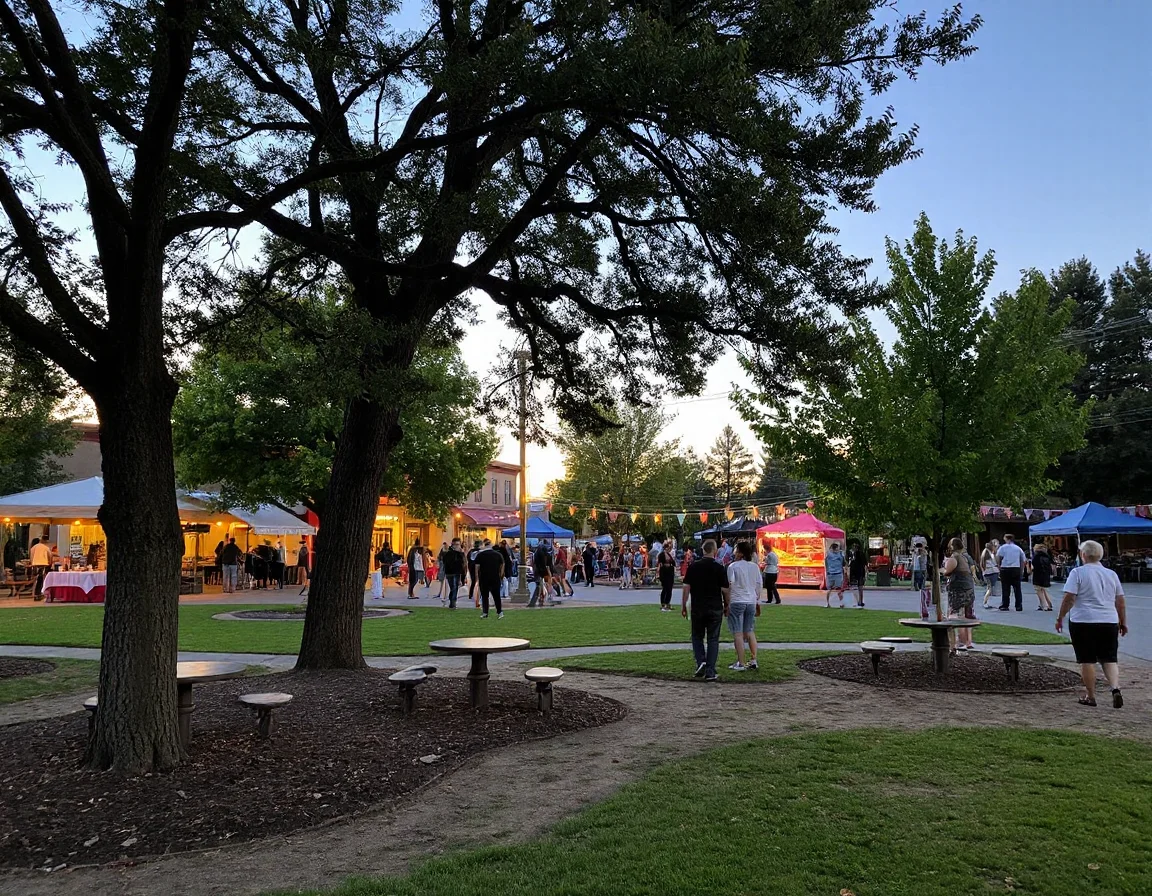
Rather than judging an area by a list of business names alone, notice how daily stops connect. Is there a convenient route between home, groceries, parks, medical offices, fitness options, and the freeway? Are sidewalks, bike lanes, parking, or transit access important to you? A home’s location can change the time and effort required for routines just as much as a kitchen layout or an extra bedroom can change life inside the home.
Local events and seasonal activities add another layer to the city’s calendar. Farmers markets, recreation offerings, performances, and civic events can create reasons to spend time in shared public spaces. Checking current city, library, park, and local organization calendars is a simple way to see what is happening during the period when you plan to visit. It is also an effective way to experience a place as a participant rather than only as a potential buyer.
For sellers, this lifestyle context can be valuable in a marketing plan. Professional photography, clear property details, and accurate location information help buyers connect a home’s features with nearby conveniences without making assumptions about who belongs in any particular neighborhood. A strong listing presentation can highlight tangible benefits such as proximity to a park, access to commuter corridors, outdoor entertaining areas, or a flexible room layout.
Buyers can use the same lens when comparing homes. A property with a shorter drive to routine destinations may suit one household, while another may prioritize lot size, a quieter interior position, or a different architectural style. Create a written list of nonnegotiables and preferences, then revisit it after each tour. That approach makes it easier to distinguish a lasting need from a detail that simply caught your attention in the moment.
Commute Connections and Timing Considerations
Tracy’s location near major travel corridors is central to its regional identity. Interstate 205, Interstate 580, Interstate 5, and nearby rail options can support travel throughout the Central Valley and toward Bay Area destinations. At the same time, travel conditions can shift substantially by hour, direction, weather, road work, and broader regional demand. A map estimate is a starting point, not a promise of a consistent daily commute.
When a commute is part of your decision, test it in the direction and timeframe that matter. Drive or use transit during a representative weekday, if possible, and consider the full trip: getting out of the neighborhood, parking or station access, transfer time, tolls, fuel, and the return trip. For remote or hybrid schedules, assess practical home features too, including internet availability, cellular coverage, a suitable work area, natural light, and the ability to separate work time from household activity.
Commuting is also a budgeting conversation. The monthly cost can include more than vehicle fuel. Maintenance, insurance, parking, tolls, transit fares, and time all belong in a realistic comparison. Reviewing these factors alongside purchase price, property taxes, insurance, utilities, and possible HOA dues gives you a more complete picture of what a home will cost to own and use.
For people relocating from a denser urban area, travel patterns may feel different even when the mileage looks manageable. For people already familiar with the Central Valley, a new address may change which freeway entrance, errand corridor, or rail option makes the most sense. The most helpful question is straightforward: how does this location support the actual trips you expect to make each week?
Turning Local Highlights into a Home Search Plan
Tracy living is best explored through the details that matter after move-in: where you will walk, how you will get around, where you will spend a free afternoon, and which property features will make daily routines easier. Parks, dining, community activity, and regional access each contribute to that picture, but they should be weighed alongside inspection findings, financing, future maintenance, and current market conditions.
Take time to tour with intention, ask questions about a property’s documented features, and verify information through appropriate local sources. With a clear list of priorities and a realistic view of transportation and ownership costs, you can evaluate Tracy homes with confidence and focus on the places that support your own goals.