
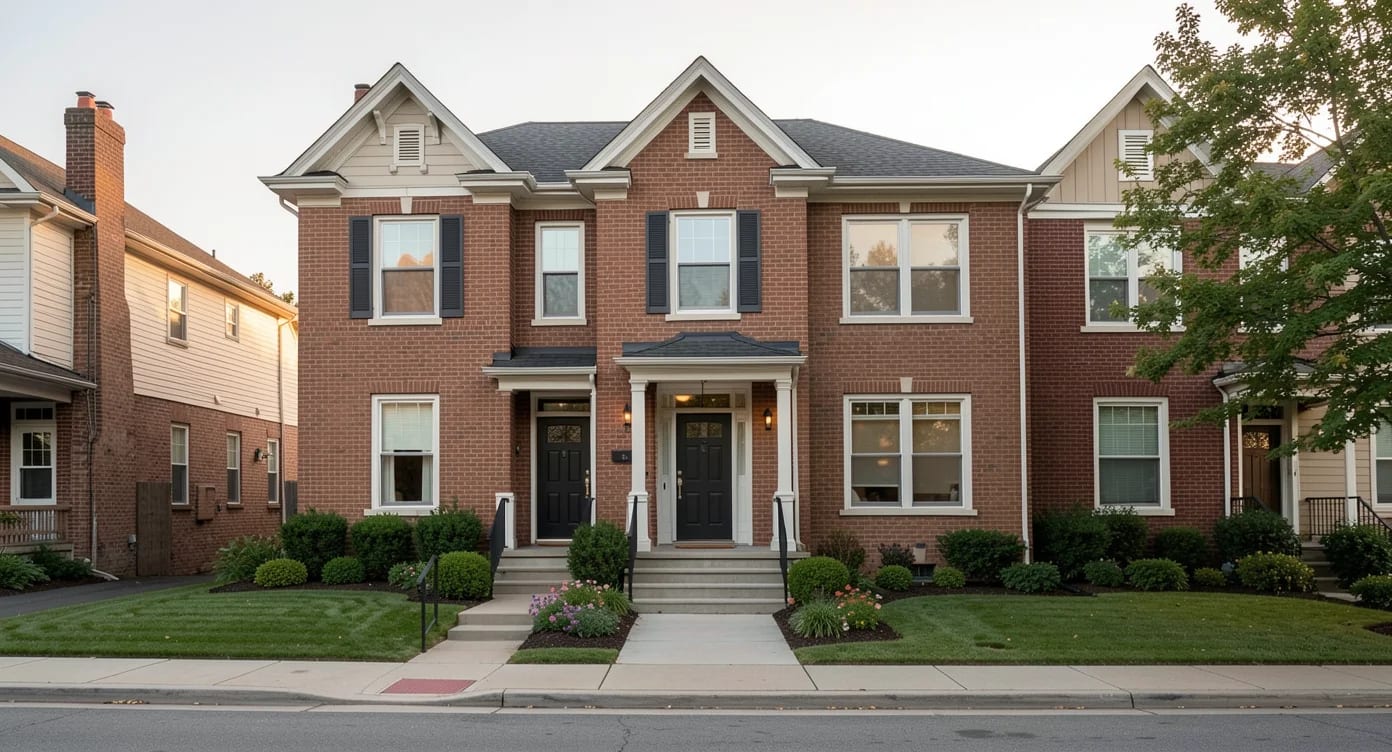
A Manteca home investment is more than a purchase-price decision. Comparing rent potential, operating costs, financing, location convenience, and exit options before making an offer can help investors build a clearer plan and avoid expensive assumptions. The strongest opportunities are usually the ones that still make sense after conservative numbers are applied.
Start With the Investment Goal, Not the Listing Photos
Every property analysis should begin with a straightforward question: what job do you need this home to do? Some buyers want current rental income, while others are focused on long-term appreciation, a future primary residence, or the flexibility to sell when market conditions change. Those objectives lead to different decisions about property type, neighborhood access, renovation scope, financing, and acceptable monthly carrying costs.

Manteca attracts attention because it sits within the Central Valley while maintaining practical connections to employment centers, regional highways, shopping, recreation, and nearby cities. That connectivity can support demand from a broad pool of residents, but it does not make every home an identical investment. A larger house, a townhome with an HOA, a newer build, and an older property with deferred maintenance can produce very different financial results even when they are only a few miles apart.
Before touring homes, write down a target monthly payment, estimated rent range, desired holding period, and reserve amount. Then decide whether you are willing to take on renovation work or prefer a home that is ready for day-one occupancy. This framework helps keep the search grounded when a polished kitchen, a large yard, or a seemingly low list price creates pressure to move quickly.
A property can look affordable at the offer stage but become costly after insurance, property taxes, HOA dues, repairs, vacancy, and financing are included. Underwriting the full monthly picture is the real comparison tool.
Calculate Cash Flow With Conservative Assumptions
Cash flow is the income remaining after a property’s recurring expenses are paid. The basic equation is simple: projected rent minus mortgage principal and interest, property taxes, insurance, HOA dues where applicable, maintenance, property management, utilities paid by the owner, and a vacancy reserve. The challenge is not the formula; it is using numbers that are realistic enough to withstand ordinary changes.
Begin by reviewing comparable rental homes with similar bedroom count, condition, lot utility, parking, and location. Avoid basing a decision on the highest advertised rent alone. Ask how long comparable homes have been available, whether they include appliances or landscape service, and whether the rent reflects a renovated interior, a new-build community, or another feature your prospective property does not share.
Maintenance should be treated as a regular expense rather than an occasional surprise. Even a well-kept home may need appliance service, plumbing attention, exterior upkeep, pest treatment, paint, flooring repairs, or HVAC work over time. A separate capital-expenditure reserve is also useful for larger future items such as roofing, water heaters, fences, and mechanical systems. Investors who include these costs from the start can compare opportunities with more confidence.
- Gross rent: Use a supportable rent range, not a best-case estimate.
- Vacancy allowance: Budget for turnover time and leasing costs.
- Operating expenses: Include taxes, insurance, HOA fees, maintenance, management, and owner-paid utilities.
- Reserves: Set aside funds for repairs and long-term replacements.
- Financing: Test the payment against changing interest-rate and down-payment scenarios.
A home with modest positive cash flow and healthy reserves may be more resilient than a property that only works if rent rises immediately or repairs never occur. If the goal is appreciation rather than immediate income, the same discipline still matters: carrying costs should fit comfortably within the investment plan during the full holding period.
Compare Location Features That Can Affect Demand
Location analysis does not require predicting the future perfectly. Instead, look for objective features that can shape everyday convenience and property use: freeway access, commuting routes, parks, grocery options, medical services, employment centers, outdoor recreation, and the condition of nearby streets and homes. Buyers and renters may prioritize these features differently, so a balanced location can add flexibility when it is time to lease or sell.

For a specific property, evaluate the block as carefully as the home itself. Consider traffic patterns, visible noise sources, access to parking, lot orientation, nearby commercial uses, drainage, and any features that may affect maintenance. Reviewing public records, HOA documents, local planning information, and property disclosures can reveal obligations or future changes that are not obvious during a short showing.
Newer communities can offer modern layouts and lower near-term repair needs, while established areas may provide larger lots, mature landscaping, or a wider range of housing styles. Neither is automatically the better choice. The key is matching the home’s condition and expense profile to the kind of demand you expect and the amount of hands-on management you want to provide.
It is also wise to account for California-specific ownership costs. Confirm property-tax estimates after a purchase, review insurance availability and deductibles, and understand whether HOA rules affect leasing, exterior changes, parking, or short-term rental use. For investors considering a 1031 exchange, timing, identification rules, and qualified-intermediary requirements should be discussed with appropriate tax and legal professionals before a sale closes.
Measure the Upside and the Exit Plan
Return on investment is not limited to monthly cash flow. Appreciation, principal reduction, rental-income growth, and value added through thoughtful improvements can all contribute to total return. However, each source of upside has a different level of uncertainty. A remodeled kitchen may improve marketability, but it should be priced against neighborhood expectations; an oversized renovation budget may not translate into an equivalent increase in value.
Consider improvements that improve durability, function, and broad appeal: reliable systems, fresh neutral finishes, efficient landscaping, usable storage, updated lighting, and repairs that reduce future maintenance. Keep records, invoices, warranties, and permits when applicable. Organized documentation can make ownership easier and can support a future sale or appraisal conversation.
Finally, plan the exit before you purchase. Could the property be sold to an owner-occupant, retained as a long-term rental, refinanced if lending conditions change, or exchanged into another investment property? A home with multiple workable paths can provide useful flexibility when the market shifts. Reviewing comparable sales, active competition, and likely buyer expectations helps establish whether your purchase price leaves room for those options.
Thoughtful Manteca investing is less about finding a flawless property and more about understanding the tradeoffs. When the rent estimate is supported, expenses are fully counted, reserves are in place, and the home fits a clear long-term strategy, you can make decisions based on a durable plan rather than a hopeful spreadsheet.